Nā Mea Hoʻohui
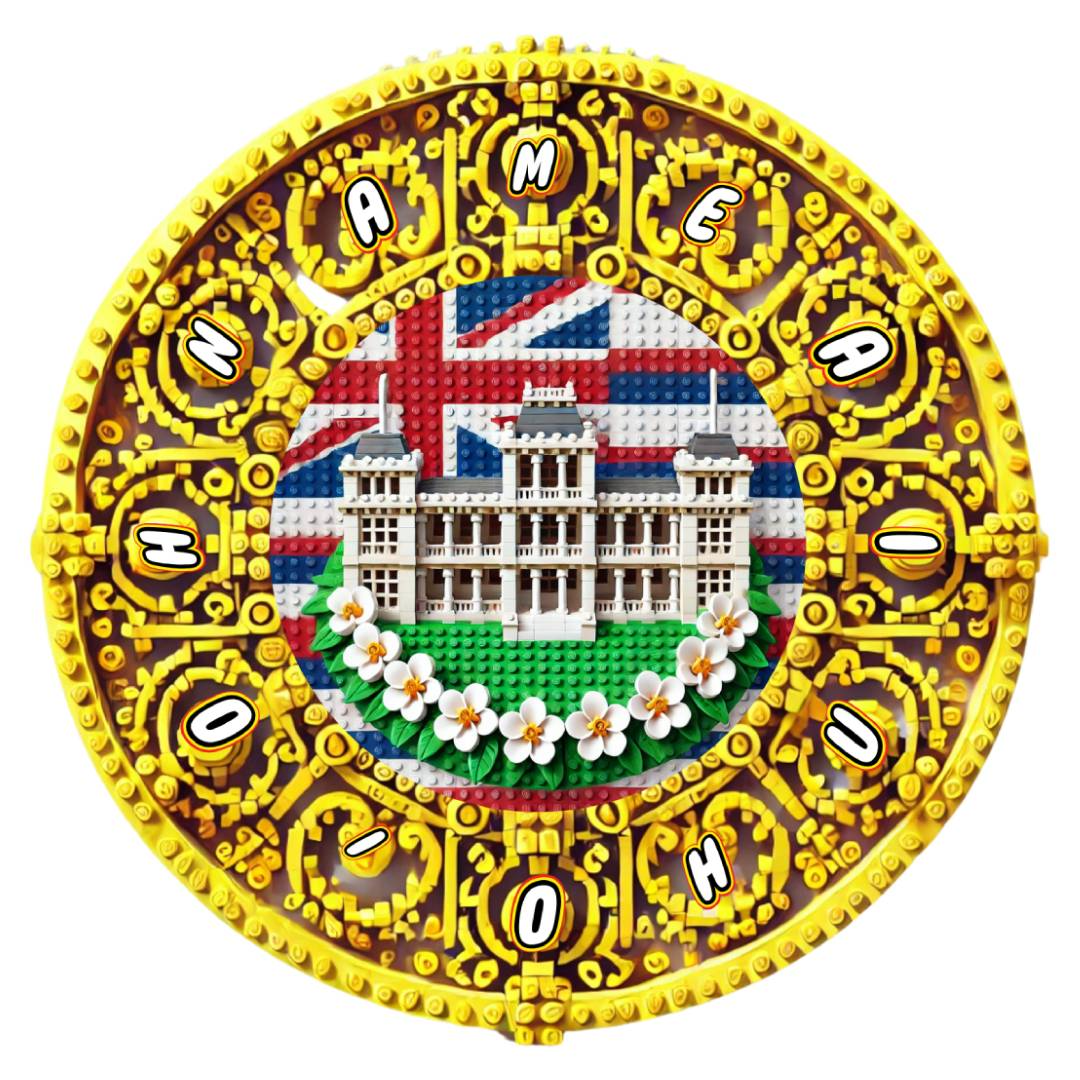
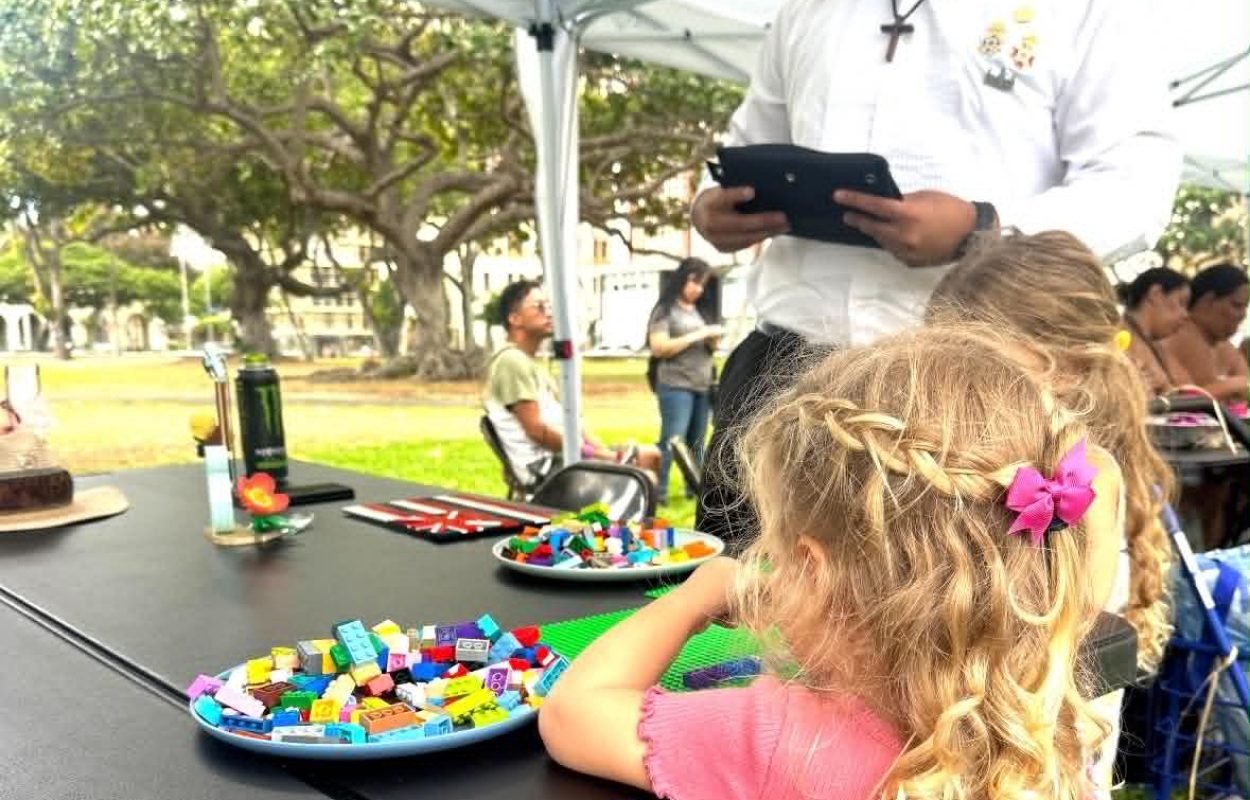
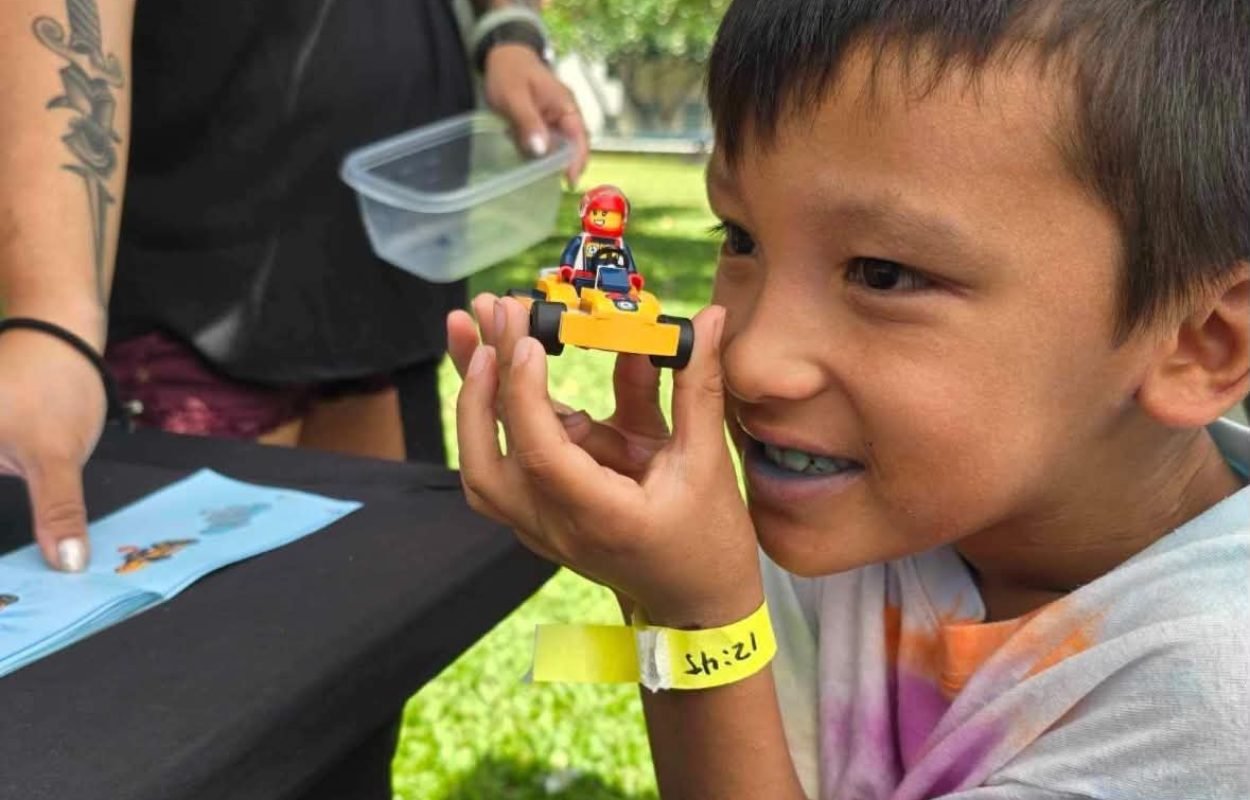
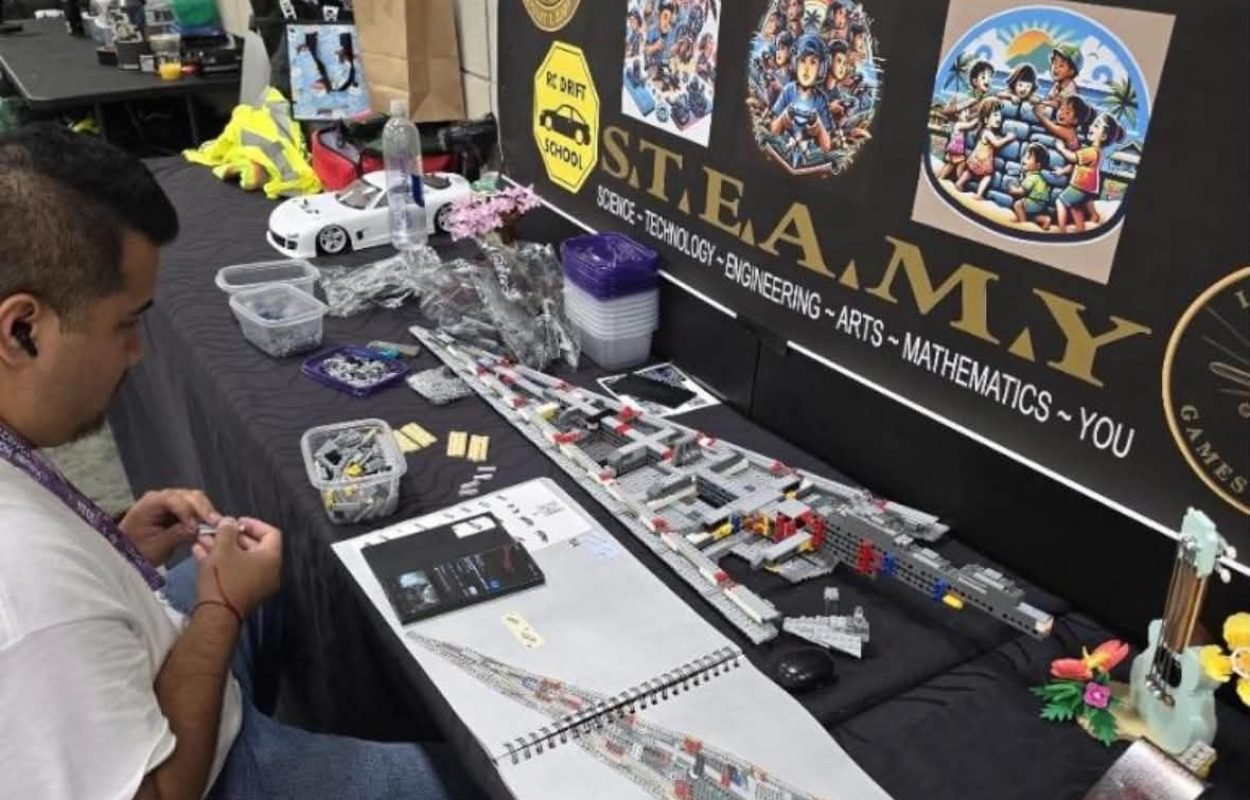
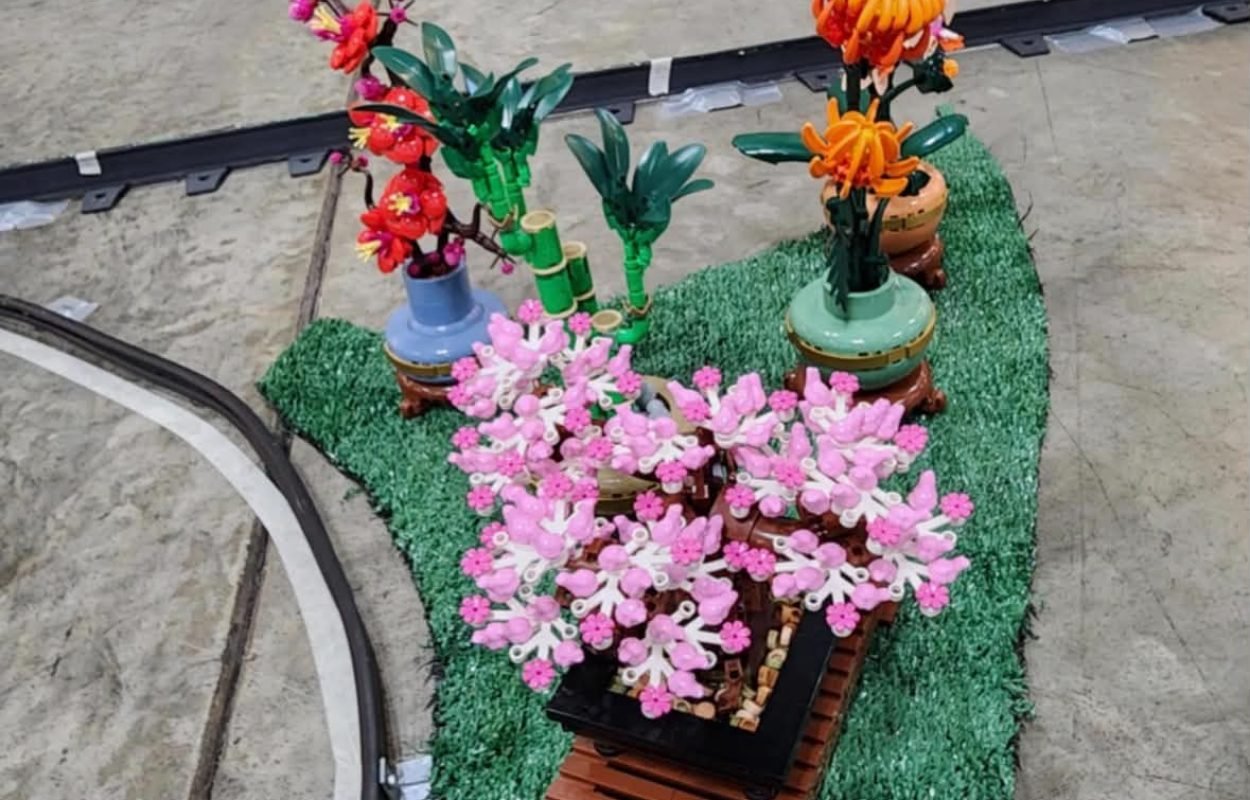
Nā Mea Hoʻohui harnesses the creative and educational power of modular construction systems to teach building, structure, storytelling, and cultural representation. Learners construct wahi pana, moʻolelo scenes, canoes, hale, and contemporary structures — and in doing so learn structural principles, proportion, sequencing, and collaborative building.
What Learners Do
- Build cultural sites, vessels, and structures as models, with research behind each choice
- Work in teams to a shared design under material and time constraints
- Present builds and explain both the engineering and the moʻolelo behind them
- Develop spatial reasoning, fine motor skill, patience, and iterative thinking
- Encounter engineering as something joyful and accessible before it is ever graded
Track Record
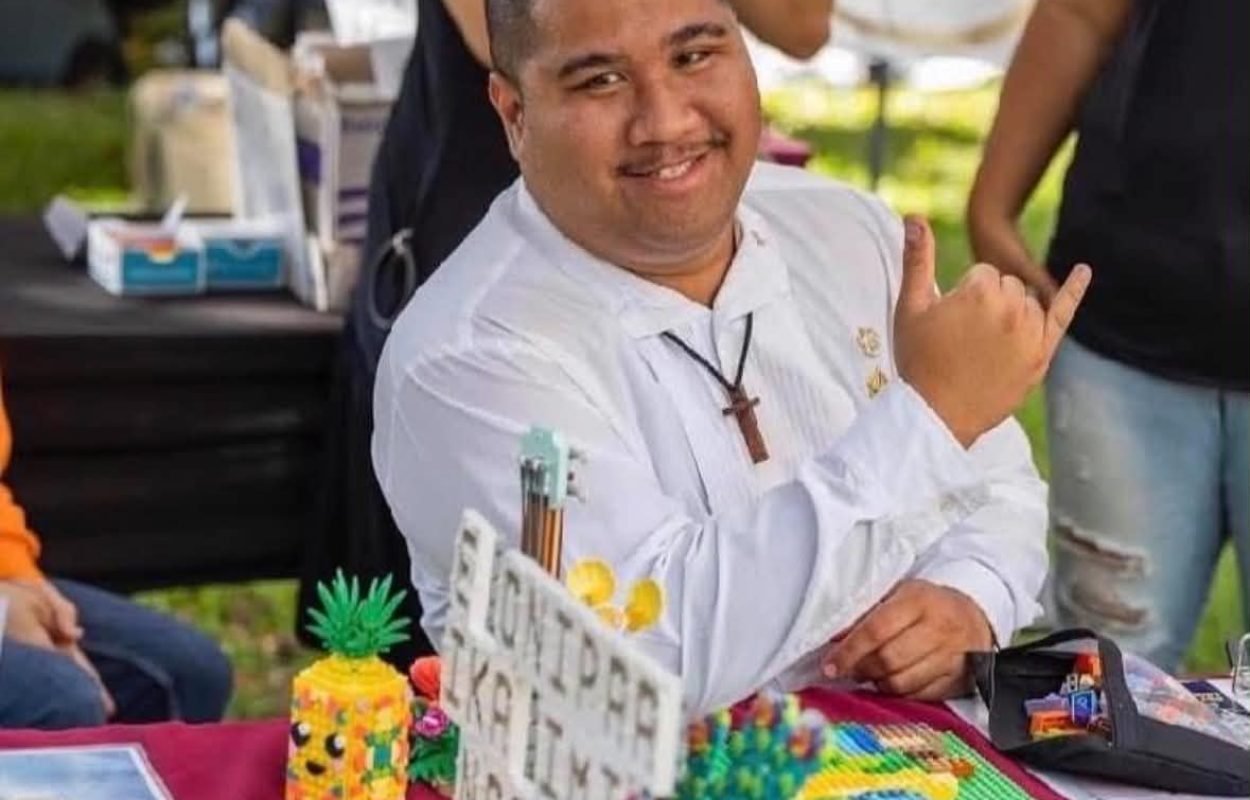
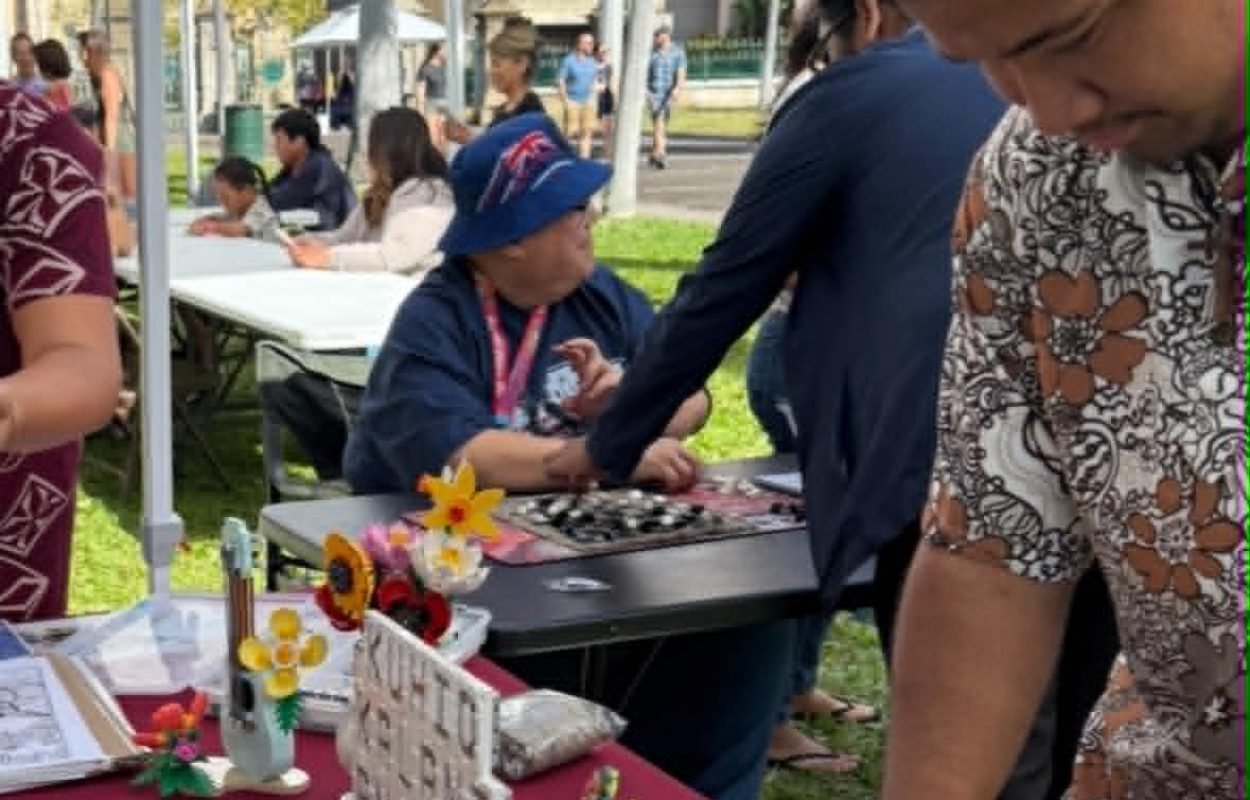
Nā Mea Hoʻohui has been shared every month at Kamaʻāina Sunday at ʻIolani Palace, continuously since Ka Makani Kāʻili Koa’s founding — alongside Project K4’s INdigenous Games Design program and moʻomeheu content, coordinated each month to the Palace’s cultural theme.
Kamaʻāina Sunday is the Palace’s free monthly programme for Hawaiʻi residents, presented by the Friends of ʻIolani Palace on the second Sunday of each month. Because the theme changes monthly, the programming is rebuilt each time rather than repeated — which is where much of the program’s curricular development has actually happened.
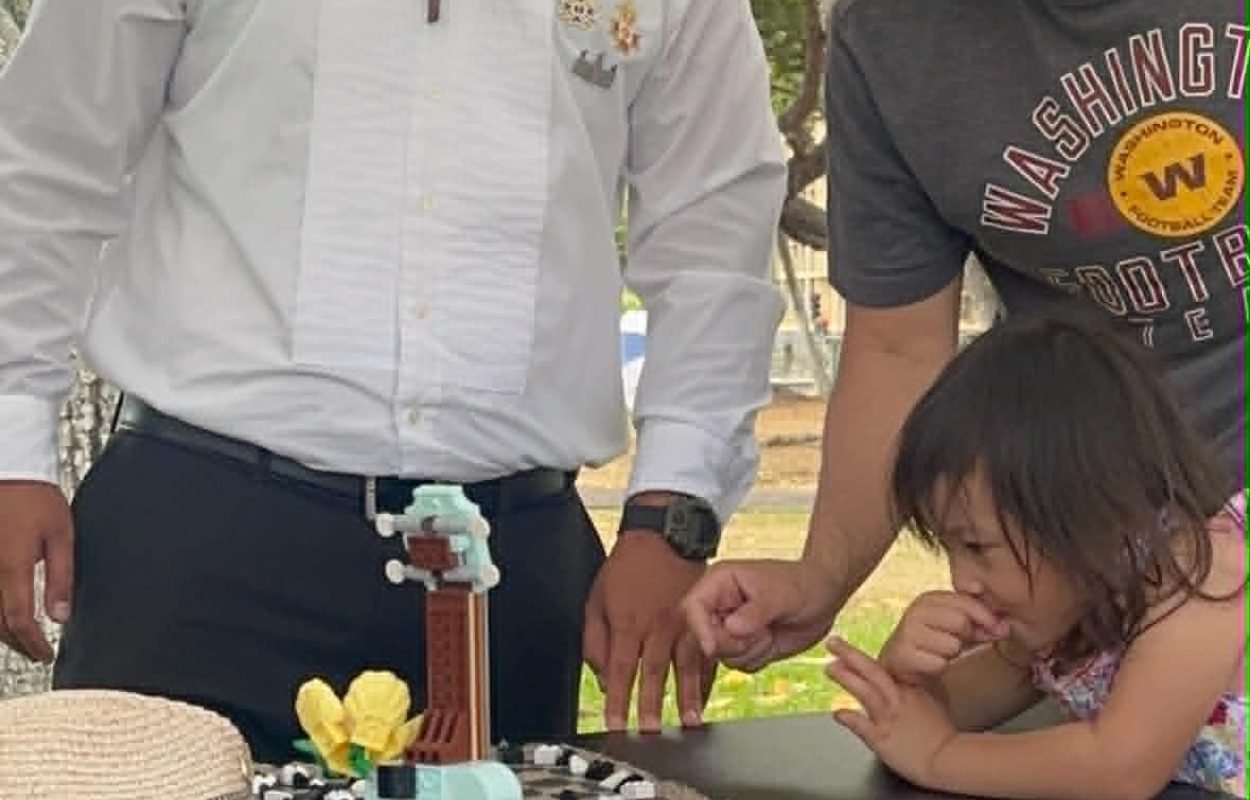
Chaos Kōnane
Developed and hosted jointly with Project K4’s INdigenous Games Design program, Chaos Kōnane is a variant of the traditional Hawaiian game kōnane, played with non-uniform black and white construction pieces in place of uniform ʻiliʻili.
It is the clearest single illustration of what these two programs do together: a traditional game, its rules genuinely understood, then varied deliberately — which is game design taught through cultural practice rather than alongside it. The non-uniform pieces are the whole point; they change what the board rewards.
Why it matters in the portfolio
Nā Mea Hoʻohui is frequently a learner’s first encounter with building anything. It is deliberately low-barrier and high-welcome, and it is the most common entry point into the technical pathway described in Part IV.