Nā Koa o ka Mōʻī
Initiative Summary
A Hawaiian Kingdom–era historic infantry guard youth leadership programme, combining leadership training with cultural education. It runs on physical training, drill, and instruction in Hawaiian military history and tradition.
The mark carries the royal cipher beneath a crown, ringed by the motto Ua Mau ke Ea o ka ʻĀina i ka Pono, set upon crossed arms within laurel. It is worn as the formation’s device and signals plainly what the programme is: not a costume society, but a formation in a documented Kingdom-era tradition, taught with the seriousness that tradition asks for.
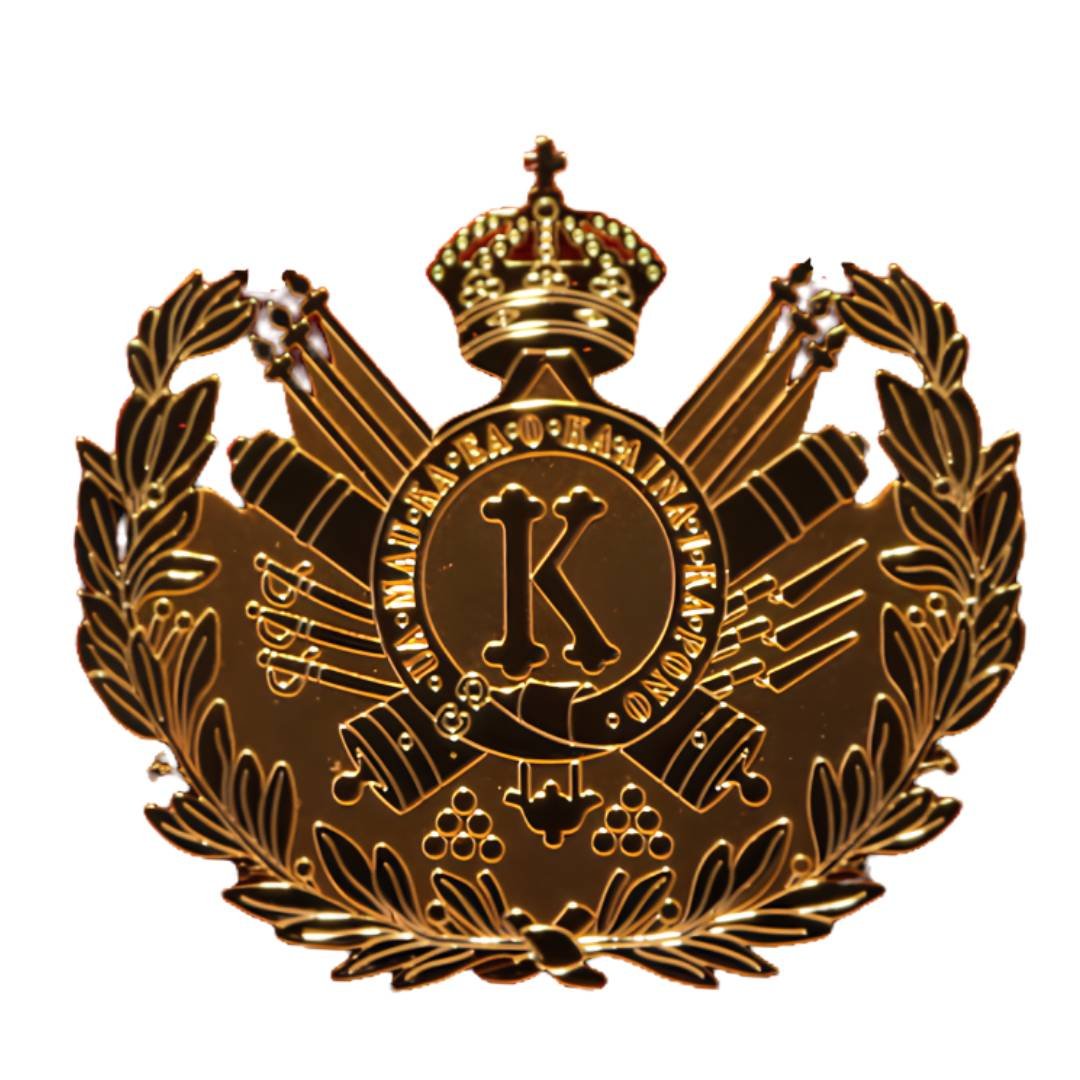
STREAMY in Nā Koa o ka Mōʻī
| Letter | As applied in this formation |
|---|---|
|
S — Sciences |
Human physiology and fitness |
|
T — Technologies |
Historical and modern infantry equipment |
|
R — Reading, Research & Remuneration |
Kingdom-era and Kalākaua-dynasty history; study of historical battles and tactics; career pathways in military and leadership roles |
|
E — Engineering & Electronics |
Maintaining and caring for infantry equipment; communications in training exercises |
|
A — Arts & ʻĀina |
Reenactment dress and properties; environmental stewardship |
|
M — Mathematics, Mele & Moʻomeheu |
Strategic calculation in drill and manoeuvre; traditional military music and chant; Hawaiian military tradition and values |
|
Y — You |
Leadership and public speaking |
- ʻŌlelo Hawaiʻi value — Koa: warrior.
Reading and Research
- The Hawaiian Kingdom 1874–1893: The Kalākaua Dynasty — Ralph S. Kuykendall
- Kingdom in the Sea — Peter H. Buck
- War and Society in Ancient Mesoamerica — Ross Hassig
The third title is deliberate rather than incidental: studying warfare in another Indigenous civilisation gives learners a comparative frame, so Hawaiian military tradition is examined alongside another people’s rather than in isolation.
Of the four formations, Nā Koa o ka Mōʻī carries the most direct line to the Kingdom. It is where a young person encounters Hawaiian military history as a discipline with its own equipment, drill, music, and vocabulary — and where the ceremonial capability that Circle of Nations and other public occasions depend on is actually built.