Na Mea Ho'ohui
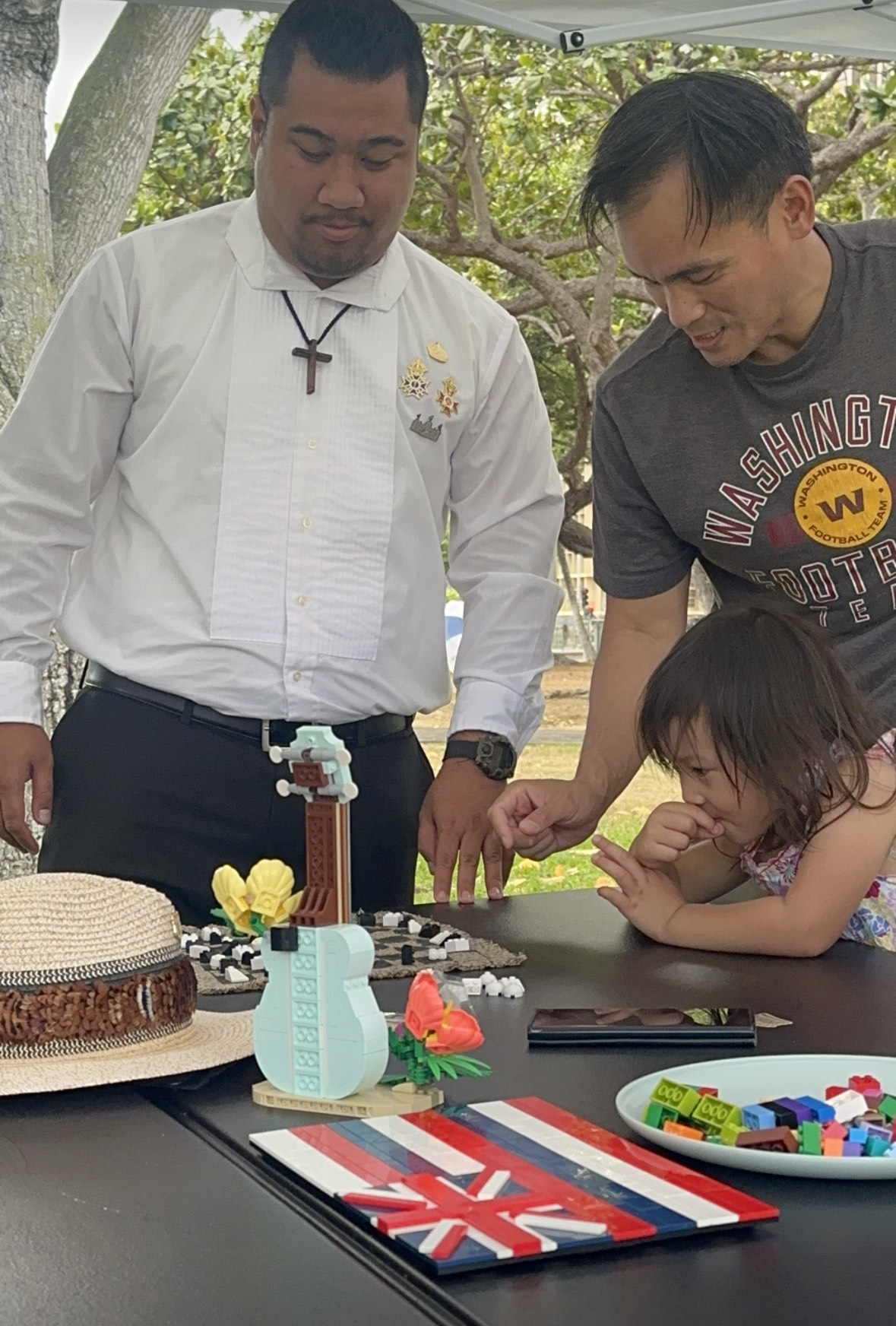
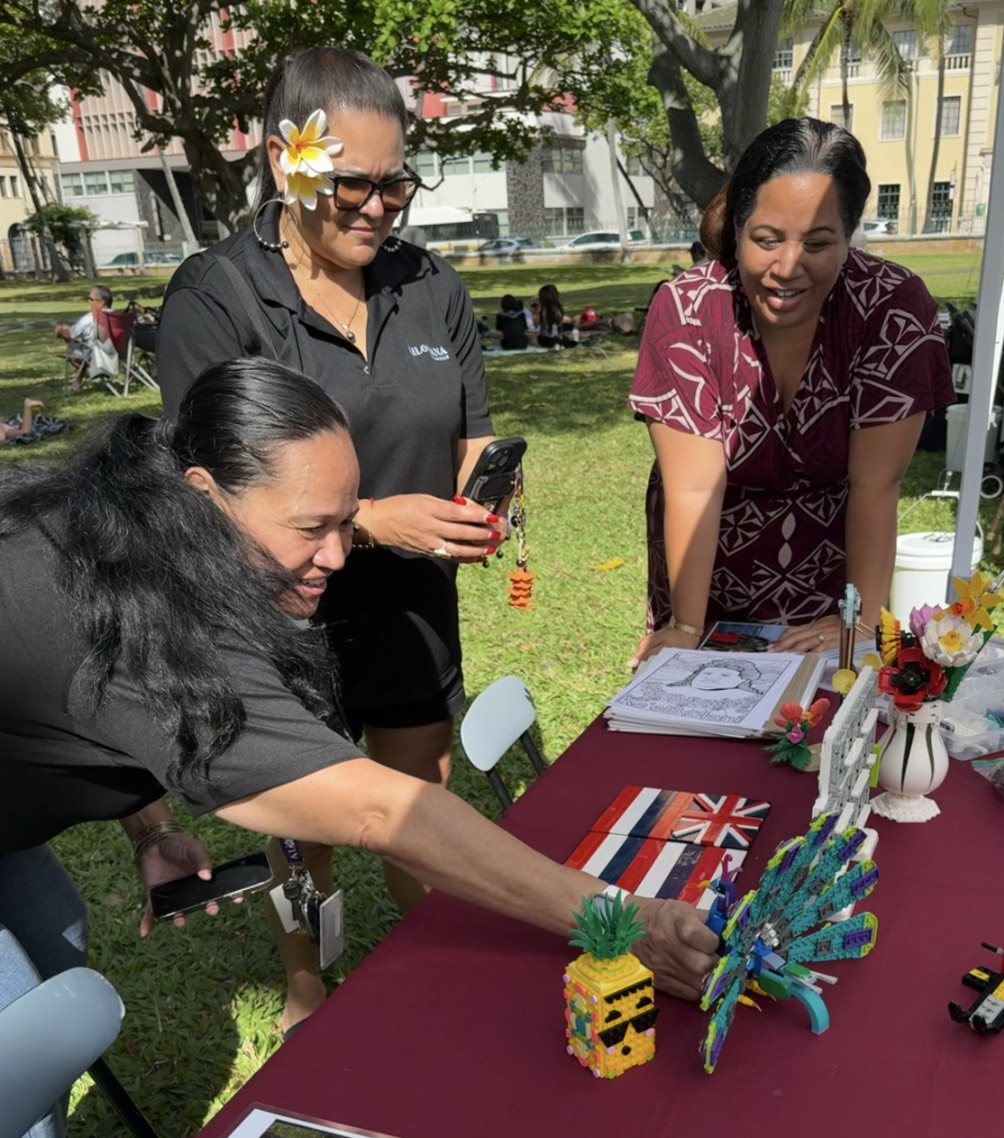
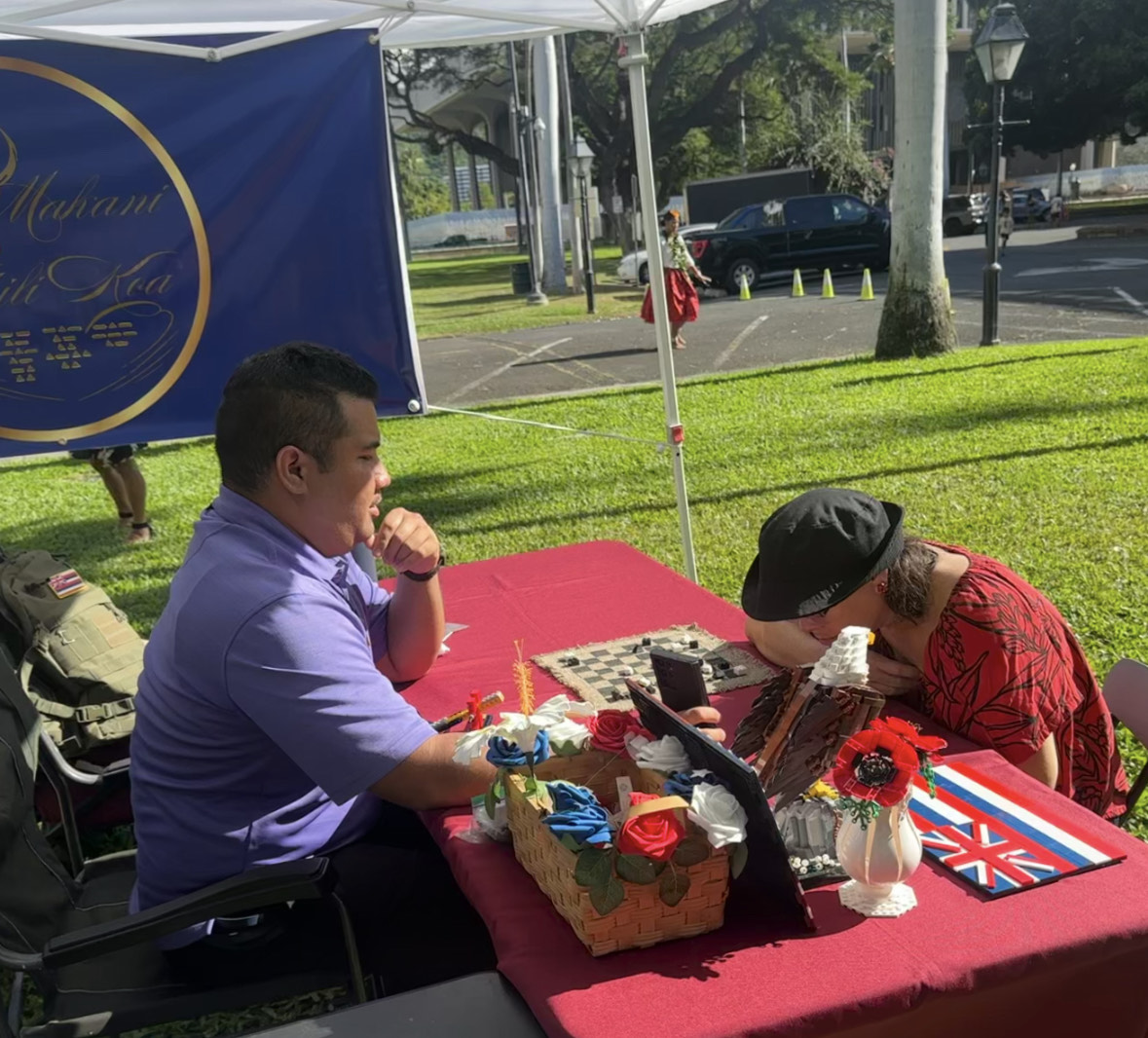
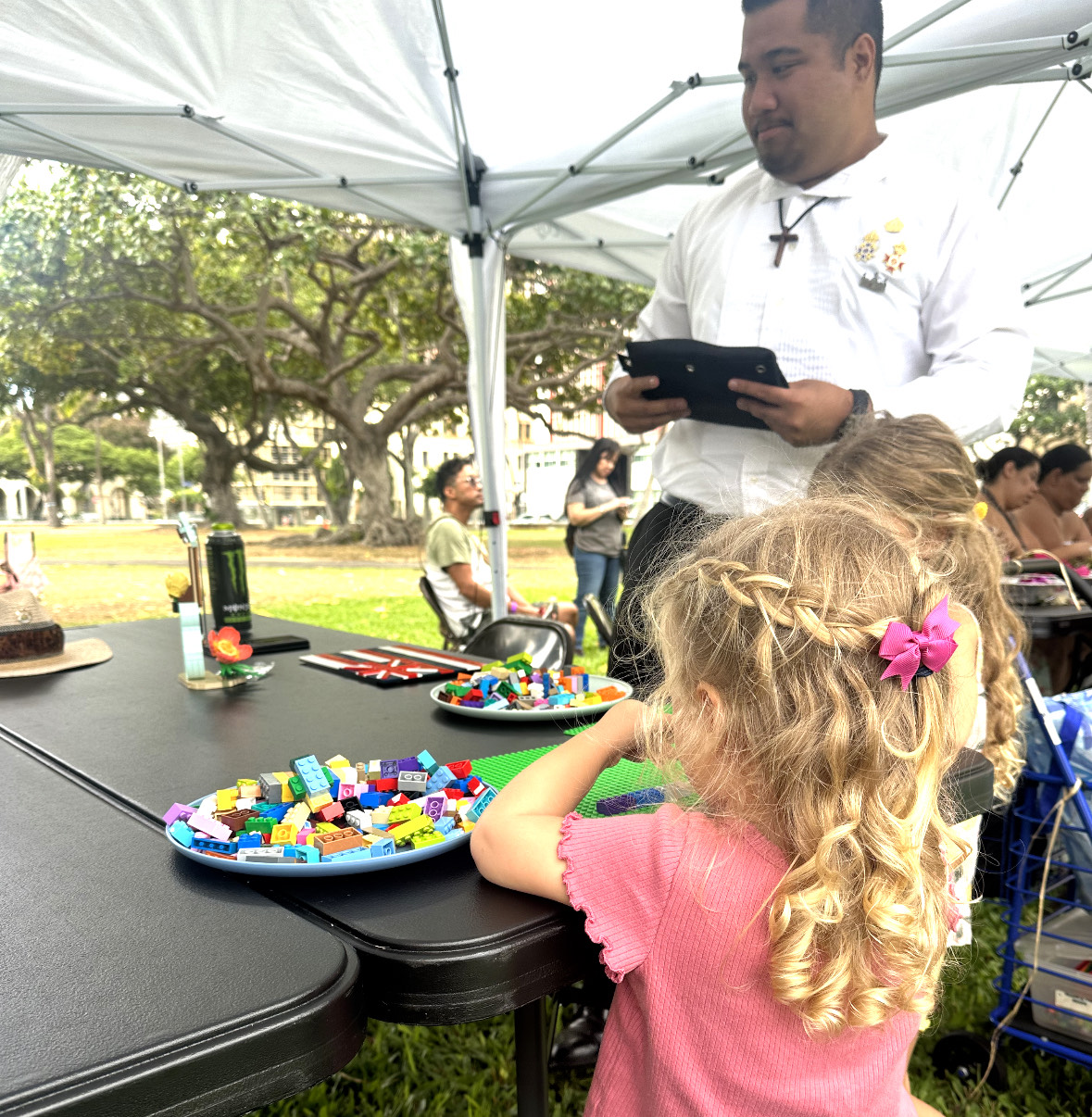
Description: Na Mea Ho’ohui harnesses the creative and educational potential of interconnecting pieces (LEGO) to introduce participants to various STEAM (Science, Technology, Engineering, Arts, and Mathematics) career pathways. Through hands-on activities and projects, learners develop skills in problem-solving, collaboration, and innovation. This program provides a unique opportunity to explore complex concepts in a fun and engaging way. Activities include:
- Sciences: Understanding basic principles of physics and biology through LEGO models, such as force, motion, and life sciences.
- Technologies: Exploring robotics and coding using LEGO Mindstorms and other LEGO-based platforms. Participants learn about sensors, programming, and automation.
- Reading:
- “The LEGO Architect” by Tom Alphin
- “The LEGO BOOST Idea Book: 95 Simple Robots and Hints for Making More!” by Yoshihito Isogawa
- Research: Investigating the impact of LEGO on cognitive development and educational outcomes. Studies on the effectiveness of LEGO in teaching STEAM concepts.
- “LEGO Studies: Examining the Building Blocks of a Transmedial Phenomenon” edited by Mark J.P. Wolf
- Remuneration: Understanding the career opportunities in LEGO-based design, education, and innovation industries.
- Engineering: Designing and constructing complex structures and mechanisms with LEGO, exploring concepts of architecture and mechanical engineering.
- Electronics: Integrating basic electronics into LEGO projects, such as creating circuits and simple machines.
- Arts: Developing creativity through LEGO art, including sculpture and mosaic techniques.
- ‘Aina: Promoting sustainability by exploring eco-friendly LEGO projects and the environmental impact of plastic.
- Mathematics: Applying mathematical concepts in the planning and construction of LEGO models, including geometry, ratios, and measurements.
- Mele: Incorporating music and sound into LEGO projects, such as building simple musical instruments or sound machines.
- Mo’omeheu: Exploring the cultural significance of building and play across different societies, including traditional and indigenous construction techniques.
- Olelo Hawai’i: “Kūkulu” – To build or construct.
- You: Encouraging personal growth through creative expression, public speaking, and presentation skills.